ClickCease

Speech Therapy

Our FREE Discovery Session is ideal for anyone with any questions relating to speech, stuttering, language, literacy, social skills, swallowing, and voice.

This is an opportunity for us to give some information on how to monitor your concern and give you advice on how to start self-managing any issues immediately.

Discovery Sessions can help you understand if an assessment or therapy is needed, how Speech Therapy would work, and if appropriate, help you book in.

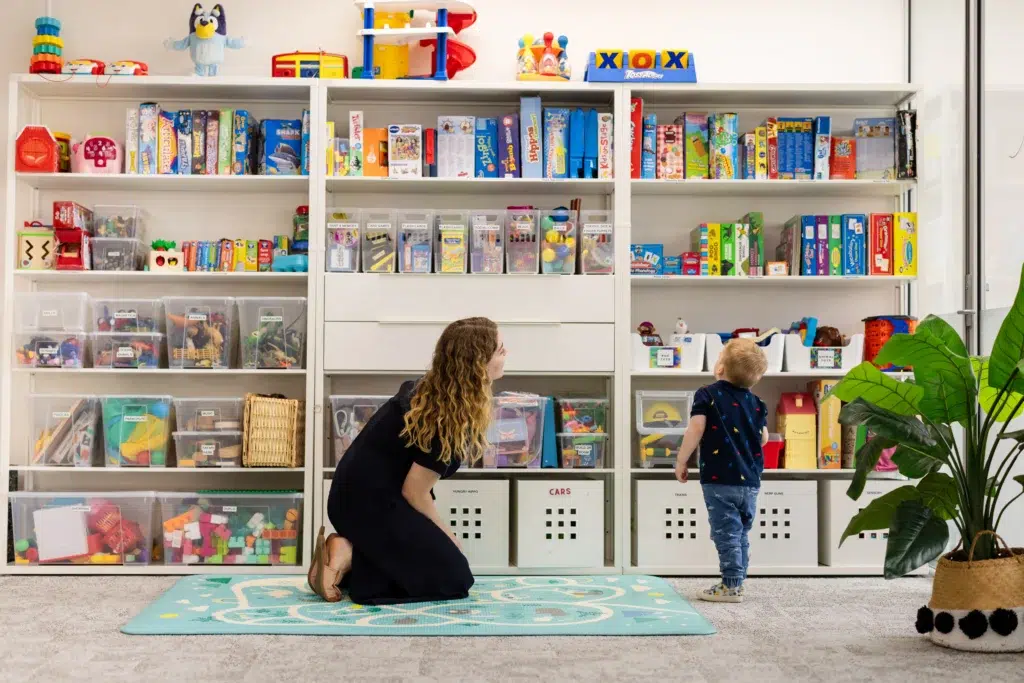
Speech pathologist providing speech therapy to a young boy in the clinic with toys during a speech therapy session

We Love Speech Therapy

At Talkshop Speech Pathology, we love speech therapy. We love the fun of it, the challenges, and most of all the impact it has on the lives of the families and individuals we support. Every session, every smile, and every milestone reminds us why we do what we do.

When you walk through our doors, you’ll notice that everything is designed with speech therapy in mind. From our welcoming reception area to our bright, child-friendly rooms lined with shelves of engaging games and resources, we’ve built an environment that makes learning enjoyable. Speech therapy should never feel clinical or intimidating. It should feel like a journey of discovery, progress, and joy. 

Speech therapy is about more than just helping someone pronounce words correctly. It covers a wide range of skills: speech sounds, language, fluency, voice, literacy, swallowing, and even social communication. Our goal is always to help each person communicate more effectively in their everyday life, whether that’s a child telling a story at school, a teen building confidence in friendships, or an adult regaining skills after illness or injury.

To learn more about the different areas we can support, visit our How We Help pages. You’ll find information on topics such as:

Each area has its own challenges, but our team is passionate about tailoring therapy so it makes sense for you or your child.

Prioritising Speech Therapy Goals

Every client begins their journey with an assessment. From there, we create a Therapy Management Plan. A personalised guide that maps out the most important goals to work on.

  • For children, goals are sometimes prioritised in developmental order, meaning we start with the skills that are most delayed. Other times, we target the skills that will make the biggest difference at home or school, such as helping a child join in classroom discussions or talk more confidently with friends.
  • For adults, we focus on the communication skills that will have the most impact on daily life. This might involve rehabilitation, such as relearning words and sentences after a stroke, or maintenance, such as supporting a progressive condition to preserve communication for as long as possible.

Our articles explore many of these topics in more detail. For example, you can read about how speech therapy can help with selective mutism, or learn more about supporting people with auditory processing disorder. These resources are there to give families practical advice and a deeper understanding of the speech therapy process.

Speech therapy session with a speech pathologist using an iPad to support an NDIS participant during speech pathology activities


Speech Therapy Sessions

Speech therapy sessions at Talkshop are designed to be engaging, purposeful, and collaborative. At the start of each session, we review home practice from the previous week. This helps us to:

  • Identify which strategies are most effective
  • Track changes in daily life
  • Problem-solve any difficulties
  • Step therapy up to the next level

During the speech therapy session, we balance quality and quantity. That means we focus not only on producing the skill correctly, but also on practising it in different ways and contexts. Speech Therapy activities might include games, storytelling, role-play, reading tasks, or structured practice which are always tailored to age, interests, and ability.

We also see therapy as a team effort:

  • For young children, parents are invited to join sessions so they can become confident speech therapy partners at home.
  • For school-age children, parents often step out but are welcomed back for the last few minutes so we can share progress and demonstrate practice tasks.
  • For teens and adults, speech therapy is collaborative. We set goals together and work on strategies that fit into real life.

Want a behind-the-scenes look at speech therapy in action? Our blog post Top 7 Things a Speech Pathologist Does gives you an inside look at how sessions work and the many ways speech therapy can support children, teens, and adults.

Home Practice

Speech Therapy doesn’t end when you leave our rooms. Every week, we provide home practice tasks designed to reinforce what’s been learned in the session. These are a mix of:

  • Focused activities to strengthen the specific skill being targeted
  • Functional activities that use the skill in real-life situations like practising speech sounds while playing, or using new language skills at the dinner table

Consistent home practice is essential to progress. Our role is to make this as manageable as possible by providing clear guidance, coaching, and resources. We want families to feel confident carrying speech therapy strategies into everyday life.

For tips on supporting speech therapy at home, you may enjoy our blog post 6 Tips for Reluctant Readers. It’s a great example of how the whole family can play a role in creating a supportive communication environment.

Why Families Choose Talkshop for Speech Therapy

Families choose Talkshop because of our commitment to making speech therapy personal, practical, and positive. We don’t just work on isolated skills, we look at the bigger picture of communication and how it fits into school, work, relationships, and daily routines.

Here’s what sets us apart:

  • Tailored speech therapy – Every plan is individualised, not one-size-fits-all.
  • Welcoming environment – Our rooms are bright, fun, and filled with games and resources.
  • Collaborative approach – We coach parents, involve families, and work closely with schools and other professionals when needed.
  • Evidence-based practice – We stay up to date with the latest research and bring that into speech therapy in a practical way.
  • Lifelong support – From toddlers to adults, we’re here across every stage of life.

Speech Therapy FAQ’s


What is speech therapy?

Speech therapy is a specialised form of healthcare that helps people improve their ability to communicate and swallow safely. A speech therapist (also called a speech pathologist) works with children and adults to assess, diagnose, and treat difficulties such as speech delays, language disorders, stuttering, voice problems, and swallowing issues.

The aim of speech therapy is to build confidence, improve communication skills, and enhance quality of life. Depending on a person’s needs, therapy may include exercises to strengthen speech muscles, strategies for clearer and more fluent communication, safe swallowing techniques, or the use of assistive communication technology.


What happens during a speech therapy session?

A speech therapy session is designed to be supportive, engaging, and tailored to each person’s unique goals. While every program is individualised, the overall experience often looks a little different for children compared to adults.

Speech therapy for children

Children will typically see a speech therapist for help with speech delays, stuttering, Lisp, literacy difficulties, or social communication challenges. Speech therapists understand that children learn though play and are experts in play based learning. Therapists often weave therapy goals into games, role-play, and hands-on activities so children stay motivated and engaged. Parents and caregivers are also encouraged to join in, learning strategies to support progress at home.

At Talkshop, sessions can move dynamically between private therapy rooms and large activity spaces equipped with trampolines, obstacle course gear, basketball hoops, or sensory tools. This variety keeps therapy interesting and enjoyable while targeting the identified needs for the client in a way that is personalised to them and fits their learning style or mood.

Speech therapy for adults

Adults typically get support from a speech therapist for communication challenges arising from illness, injury, stroke, voice disorders, developmental conditions, or swallowing and feeding difficulties. For adults, speech therapy sessions are often more conversational and focused on helping with practical every-day life. Depending on the individual’s needs, sessions may involve:

  • Exercises to strengthen the muscles used for speaking or swallowing
  • Techniques to improve speech clarity, voice quality, fluency or accent
  • Swallowing practice, sometimes with modified food or liquid textures
  • Training in alternative or assistive communication methods

Adults often work on functional goals such as improving workplace communication, maintaining independence in daily activities, or regaining skills after an illness or injury. Therapy also includes guidance for family members or caregivers so that progress extends beyond the clinic.

How long does speech therapy take?

The length of speech therapy varies from person to person. There’s no “one-size-fits-all” answer because the duration depends on several factors, including:

  • The type and severity of the communication or swallowing difficulty
  • The individual’s age and stage of development
  • Frequency of therapy sessions
  • The person’s motivation and participation during sessions
  • Consistency of practice at home with support from family or caregivers

Some people may only need a short block of therapy sessions to achieve their goals, while others benefit from longer-term or ongoing support. For example, a child with a mild speech sound delay might only need a few months of therapy, while someone recovering from a stroke may require more intensive and extended therapy to rebuild their communication or swallowing skills.

At our clinic, your speech therapist will work with you to set clear, realistic goals and will review progress regularly. This ensures that therapy remains effective, personalised, and focused on meaningful outcomes. The ultimate aim is not just to complete a certain number of sessions but to achieve lasting improvements in communication, confidence, and quality of life.

What funding supports exist to help fund speech pathology with Talkshop?

Accessing speech therapy in Australia can be supported through a variety of funding avenues, each catering to different needs and circumstances. Here’s an overview of the main options:

National Disability Insurance Scheme (NDIS)

The NDIS provides funding for individuals under 65 with significant and permanent disabilities. Eligible participants can access speech therapy services under:

  • Improved Daily Living Skills: Enhances daily functioning.
  • Capacity Building Supports: Develops skills and independence.
  • Therapeutic Supports: Direct therapy services.

Talkshop is a certified NDIS provider, offering services to clients with self-managed, plan-managed, or agency-managed plans. We can assist clients in funding applications to the NDIS through clear professional reporting that can demonstrate a client’s needs. We can also help client’s understanding their NDIS funding, ensuring it is use to maximise the impact and benefit.

Medicare

Medicare supports speech therapy through:

  • Chronic Disease Management Plan (CDMP): Funding support for 5 allied health sessions per year for chronic conditions (GP referral required).
  • Better Access to Mental Health Care: Funding support Up to 10 sessions per year for eligible mental health conditions (GP referral required).
Private Health Insurance

Many private health insurers provide rebates for speech therapy services. Coverage and rebates vary by provider and policy, so checking your specific plan is recommended.

Funding Support from Talkshop

At Talkshop, we have an organisational mission aim to make speech therapy accessible to everyone. In addition to standard funding avenues, we offer:

  • Sponsorship Program: For individuals not supported by the NDIS who meet eligibility criteria, our sponsorship program provides approximately an 80% discount on normal session rates.
  • Low Income Health Care Card: Cardholders may be eligible for reduced fees by up to 20%, helping to make therapy more affordable. 

Our team works closely with clients to explore all funding options and find the most suitable way to access speech therapy.

How do I get started with speech therapy at Talkshop?

Getting started is simple. You can book a FREE initial consultation with any of the speech pathologists at Talkshop. They will be able to answer all your questions or concerns. This gives you the chance to:

  • Share your concerns.
  • Ask questions about speech therapy.
  • Find out if an assessment or therapy sessions are recommended.